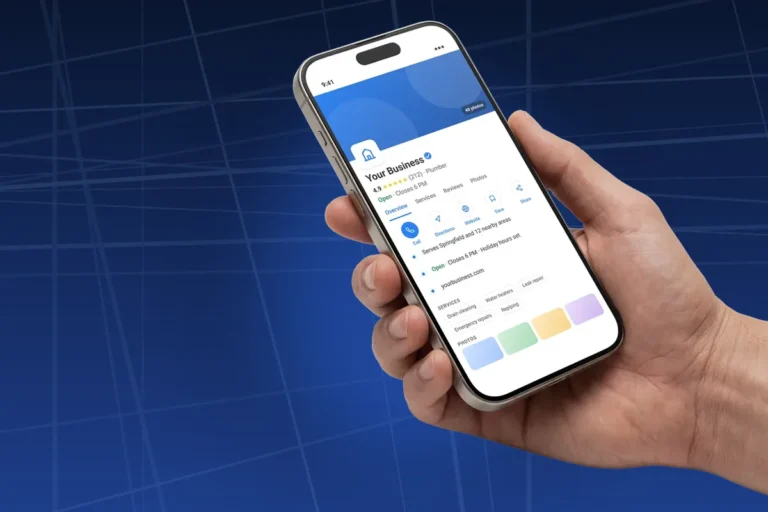
Local citations are mentions of your business name, address and phone number on other websites: directories like Yelp, Apple Maps and Bing Places, industry listings, your chamber of commerce and local news sites. NAP consistency means those details match everywhere, exactly as they appear on your website and Google Business Profile, so Google and customers can be sure every mention is the same business.
Citations used to be sold as a ranking lever: submit to 300 directories and watch the map pack open up. That was never the full story, and it is even less true now. Citations still matter, but mostly for a less exciting reason: Google builds its picture of your business partly from what the rest of the web says about you, and wrong details out there can quietly end up on your profile. This guide explains what citations really do, which ones are worth having, and how to clean up the mess most older businesses have.
Local Citations at a Glance
- A citation is any online mention of your business details, usually name, address and phone number (NAP)
- Google gathers business information from across the web, including your website, licensed third-party data and user suggestions
- Wrong details elsewhere can change your profile, because Google may publish suggested edits that other public information supports
- A few dozen accurate, relevant listings beat hundreds of junk ones
- Fix your own website and profile first, then the big directories, then niche and local ones
- Google does not publish citations as a ranking factor, so be skeptical of anyone selling them as a shortcut
If you only remember one thing: consistency is about trust and accuracy, not volume.
On this page
What Local Citations Are
A citation is simply a place online where your business is named along with its contact details. Most people mean the name, address and phone number, often shortened to NAP. Some listings add your website, hours, categories and photos as well.
Structured Citations
These are listings in a fixed format: a directory profile on Yelp, Bing Places, Apple Business Connect, Facebook, Angi, a trade association member list or a local business directory. Each has a field for your name, a field for your address and so on. They are the ones you can claim, edit and control, and they are what most people mean by "building citations."
Unstructured Citations
These are mentions inside normal content: a local news story about your business, a blog post from a supplier, a sponsorship page for the youth soccer team you support. You cannot edit them in the same way, and they are harder to get, but they tend to be the mentions that show you are a real, known part of the community.
Why Citations Still Matter
Google is open about the fact that it does not rely only on what you type into your profile. Its explanation of how Google sources business information lists publicly available information such as crawled web content (for example your own website), licensed data from third parties, information contributed by users and by owners who claim profiles, and Google's own interactions with the business.
Wrong Details Can Overwrite Your Profile
This is the part most business owners never hear about. Anyone can suggest an edit to your listing, and Google also updates profiles from other sources. Google's help page on Google updates to your Business Profile says that when an edit needs your review you have four days to accept or reject it, and that if you do not respond, Google may publish the update if it is supported by other publicly available information, such as your business website.
Read that again with an old address in mind. If your previous location still appears on a handful of directories and an old page on your own site, a suggested edit back to that address has "support" out there. Clean citations remove that ammunition.
What Google Does and Does Not Say About Ranking
Google's page on local ranking says results are based on relevance, distance and prominence, and that prominence is based on information like how many websites link to your business and how many reviews you have. It does not list directory listings or NAP consistency as a ranking factor. So I would not promise anyone that citations will move them up the map. What they do is make sure Google has the right facts, which supports everything else you do. If you want the full picture of what moves map rankings, how to rank higher on Google Maps covers it.
Customers Use Directories Too
People still look up businesses on Apple Maps, Yelp, Facebook and industry sites. A wrong phone number on any of them is a lost call, whatever it does or does not do for rankings.
What NAP Consistency Really Means
NAP consistency means your business is described the same way everywhere it appears. Google's guidelines for representing your business say your name should reflect your real-world name, as used consistently on your storefront, website and stationery and as known to customers. That is the standard to copy across the web.
Name
Use one version of your name. If you are "Riverside Dental Care," do not be "Riverside Dental" on one site and "Riverside Dental Care LLC" on another unless the legal suffix is genuinely how you present the business. Never add keywords or a city to the name on a directory because a competitor did. Google does not allow it on your profile, and a stuffed name on twenty directories is twenty places to fix later.
Address
Pick one format and stick to it, including the suite number. In my experience, "Suite 200" versus "Ste 200" is not what holds a business back. What matters is that the street, number, suite and postal code are right. The genuinely harmful problems are old addresses after a move and listings that show an address you have since hidden because you serve customers at their location.
Phone Number
Use one main local number everywhere. Google's guidelines recommend a local number rather than a central call center number where possible, and say the number must be under the direct control of the business. The phone problem I see most often is not formatting, it is old numbers: a line from a previous provider, a former partner's mobile or a tracking number from an old ad campaign that now rings nowhere.
| Inconsistency | How much it matters |
|---|---|
| Old address after a move | High: fix first, it can feed wrong edits to your profile |
| Old or dead phone number | High: customers call it and get nothing |
| Different business name versions | Medium: pick the real-world name and use it everywhere |
| Wrong or missing website link | Medium: it sends visitors to a dead page or nowhere |
| "St" versus "Street", "Ste" versus "Suite" | Low: tidy up when convenient, not urgent |
Where to spend your time. Real errors come first, formatting last.
Which Citations Are Worth Having
The goal is a small set of accurate listings where your customers and Google actually look, not a giant list. I group them in three tiers.
The Core Platforms
Your Google Business Profile comes first, and it should be complete before anything else; Google Business Profile optimization walks through every field. After that: Apple Business Connect (Apple Maps), Bing Places for Business, Facebook and Yelp. These are the listings people see when they look you up on their phone.
Industry Directories
Every trade and profession has its own directories, and they are often more valuable than generic ones because they are relevant and customers use them. Attorneys have bar association listings and legal directories, which is part of the groundwork I cover in SEO for law firms. Accountants have professional body directories and "find an accountant" tools, and getting those right is one of the first jobs in accountant SEO. Dentists, contractors and salons all have their equivalents.
Local Listings
Your chamber of commerce, local business associations, community sites and city guides. These are often the ones with real local relevance, and some come with a genuine link. They also tend to be listings your competitors have not bothered with.
What you can skip: anonymous "free business directory" sites with no traffic, no editorial standards and pages full of spam. Being listed there does nothing for customers, and paying to be listed there is money thrown away.
How to Audit and Fix Your Citations
You do not need special software to do a basic cleanup. You need a spreadsheet, an hour or two and some patience, because some directories are slow to update.
Step 1: Decide on your master NAP
Write down the exact business name, address and phone number you will use from now on, and make sure your website footer, contact page and Google Business Profile all match it.
Step 2: Search for the old details
Search Google for your old phone number in quotes, your old address in quotes and any older version of your business name. Each result is a listing to fix. Then search your business name and city and work through the first few pages.
Step 3: Claim and correct
For each listing, claim it if you can and edit the details. Where you cannot claim it, use the site's correction or contact form. Note the date in your spreadsheet.
Step 4: Handle duplicates
If a directory shows you twice, ask for the duplicate to be merged or removed rather than leaving both. On Google, Google's guidelines are clear that you should not have more than one profile for each location.
Step 5: Fill the gaps
Add the core platforms, industry directories and local listings you are missing, using your master NAP exactly.
Step 6: Watch your profile
Check your Google Business Profile for suggested edits regularly, and reject any that are wrong within the four-day window.
If you have moved more than once or changed your name, expect this to take several rounds. Some directories update in days, some in weeks, and a few never answer. Do the important ones properly and do not lose sleep over a dead directory nobody visits.
Many local SEO packages include a citation cleanup like this, and for a business that has moved or rebranded it is often worth paying for once. Just make sure you get the list of what was fixed and the logins for every listing that was created in your name.
Citation Myths to Ignore
Citations attract a lot of overselling. These are the claims I hear most often, and why I do not believe them.
Myth "We will submit you to 500 directories."
Reality Most of those sites are worthless, and you will not control the listings. A few dozen accurate, relevant ones are what you need. Bulk submission deals turn up regularly in common SEO scams.
Myth "Citations are the number one local ranking factor."
Reality Google names relevance, distance and prominence, and points to links and reviews for prominence. It does not single out citations. Treat them as foundations, not a growth engine.
Myth "Every abbreviation has to match perfectly."
Reality Wrong addresses and dead numbers matter. "St" versus "Street" barely does. Fix real errors first.
Myth "You need a monthly citation subscription forever."
Reality Citation work is mostly a one-time cleanup plus occasional checks. If a monthly fee is mostly for this, ask what else you are getting. What SEO packages should include covers what to look for.
Frequently Asked Questions
How Many Local Citations Do I Need?
There is no magic number, and Google has never published one. Aim for complete, accurate listings on the core platforms, the main directories for your industry and the genuine local ones in your area. For most small businesses that is a few dozen, not hundreds.
Do Citations Still Help Local SEO?
They help Google and customers get your details right, and Google does use information from across the web, including third-party data, to build and update business profiles. Google does not list citations as a ranking factor, so treat them as a foundation rather than a way to jump up the rankings.
What Is NAP Consistency?
It means your business name, address and phone number are the same on your website, your Google Business Profile and every other listing. The most important part is that there are no outdated or wrong details anywhere, especially old addresses and phone numbers.
Should I Pay for a Citation Service?
A one-time cleanup can be worth paying for if you have moved or rebranded and have a lot of wrong listings. A long-term subscription rarely is. Before you pay, check how much SEO costs so you know what a fair price for the wider work looks like.
What Should I Do With Citations After I Move?
Update your Google Business Profile and website first, then search for your old address and old phone number and fix every listing that still shows them. Keep checking your profile for suggested edits for a few months, because old listings can feed old details back.
Can I Use a Tracking Number on My Listings?
If you do, be deliberate about it, because a different number on every site is exactly the inconsistency you are trying to avoid. Google's guidelines say the number must be under your direct control and recommend a local number. My own practice is to use one main local number on every listing and keep tracking for ads and the website.
Where to Start
Start with your master NAP, then search for your old address and old phone number. Those two searches find the citations that can actually hurt you. After that, cover the core platforms and your industry directories, and stop worrying about the long tail of directories nobody uses.
If you would rather hand the cleanup and the bigger local picture to someone who will do it carefully and tell you exactly what changed, that is the kind of work I do as an independent SEO freelancer. Ask me to check your listings and I will tell you which ones are worth fixing first.
How Google sources business information, the four-day window for Google updates and the name, phone and duplicate profile rules come from Google's Business Profile Help Center, linked above. The local ranking factors come from Google's help page on improving local ranking. Directory names are examples of common platforms, not endorsements.