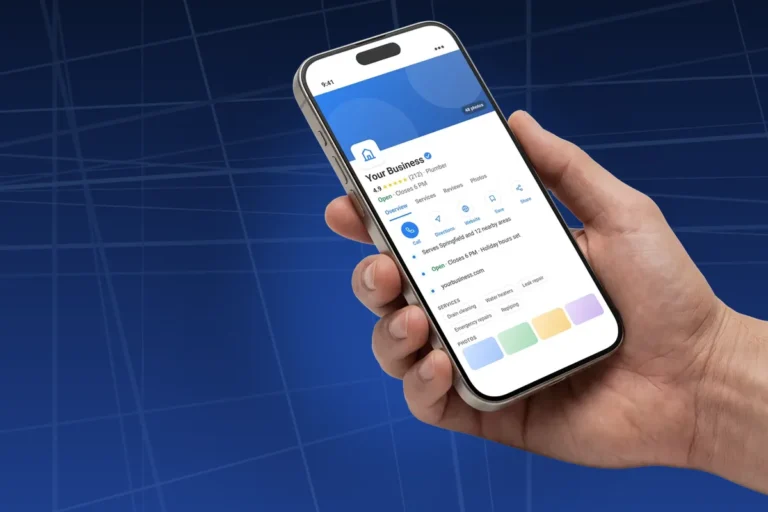
A local SEO checklist covers five areas: a verified, complete Google Business Profile, a website with a clear page for each main service and area, a steady flow of genuine reviews, accurate listings on the directories that matter, and basic tracking so you can see what is working. Get those right and keep them current, and you have done most of what moves local rankings.
Most checklists online run to a hundred items, half of which do nothing for a small business. This one is shorter on purpose. It is the list I work through when I start with a local business, in the order I do it, with a note on why each item is there. You can tick most of it off yourself in a few evenings.
The Local SEO Checklist at a Glance
- Google Business Profile first: verified, owned by you, correct category, every field filled in
- A page for each main service on your website, with your contact details on every page
- Ask every happy customer for a review, and reply to all of them
- Fix your listings on the main directories so your name, address and phone match everywhere
- Set up Search Console and analytics so you can measure calls and visits, not just rankings
- Keep a monthly routine: local SEO decays when nobody looks after it
Work through the sections in order. Each one builds on the one before it.
On this page
Google Business Profile Checklist
Your Business Profile is what appears on Google Maps and in the map results on Search. Google's own tips for improving local ranking are to verify your business, keep your information up to date, respond to reviews and add photos and videos. Everything below follows from that.
Ownership and Verification
- The profile is verified
- You are the primary owner, not a former agency, web designer or employee
- Anyone helping you is added as a manager, which you can remove later
- There is only one profile for your location (search Maps for duplicates)
Core Details
- Business name exactly as it appears on your signage, website and paperwork, with no added keywords or city names
- The most specific primary category that completes "this business is a"
- Additional categories only for things the business genuinely is
- Address shown if customers visit you; hidden, with a service area set, if you visit them
- Local phone number, regular hours and holiday hours
- Website link pointing at the most relevant page
Content
- A description that explains what you do, where and for whom
- Every service you offer listed in the services section
- All attributes that are true for you
- Real photos of your work, team, vehicles and premises, no stock images
For the detail on each field, including the rules Google enforces, the full Google Business Profile optimization checklist goes section by section.
Website Checklist
Your profile links to your website, and Google uses your website as one of the sources for your business information. A strong profile with a thin website is a common reason a business stalls at the edge of the map pack.
Service Pages
- One page for each main service, not one page listing everything
- Each page says what the service is, where you offer it, what it costs or how pricing works, and how to book
- Real photos of your own jobs on each page
- A clear phone number and booking button near the top
This is where most trade websites fall short. A plumber with separate pages for drain cleaning, water heater repair and emergency call-outs gives Google, and the customer, far more to work with than one "Services" page. On a plumbing site I built and ranked this way, alongside profile and review work, clicks from Google went from 7 to 184 a month. That structure is the backbone of SEO for plumbers, and it works the same way for most trades.
Page Basics
Google's SEO starter guide is a good reality check here. A few points from it worth acting on:
- A unique, clear title for each page that describes what is on it
- A short, unique meta description for each page that sums up the most relevant points
- Readable URLs that include useful words, like /drain-cleaning/ rather than /page-id-482/
- Descriptive alt text on images
- Links between related pages, so visitors and Google can find them
The same guide says Google Search does not use the keywords meta tag, and that creating content people find useful will likely influence your presence in search more than any of its other suggestions. That is a good filter for anything a developer or plugin tells you is essential.
Contact Details and Structured Data
- Your name, address (if you show it) and phone number in the footer of every page, matching your profile exactly
- A contact page with the same details and, if customers visit you, a map
- LocalBusiness structured data on the homepage or contact page
Structured data is a small piece of code that states your business facts in a format Google reads directly. Google's local business structured data documentation says it can tell Google about things like your business hours and departments, and that name and address are the required properties. Most website platforms and SEO plugins can add it without you touching code.
Mobile and Speed
People often search for a local service on their phone, and many of them want to call right away. Open your site on your own phone and try to call you from the homepage, the service pages and the contact page. If it takes more than a tap or two, or the page is slow and jumpy, fix that before anything else on this list.
Reviews Checklist
Google says more reviews and positive ratings can help your local ranking, and its help page on getting more reviews recommends reminding customers with a link or QR code and replying to reviews.
- Your review link or QR code is saved and easy to share
- Every happy customer is asked, by text or email, right after the job
- Every review gets a short, personal reply, including the negative ones
- No incentives: Google prohibits offering discounts or free goods or services in exchange for reviews
- No filtering: Google's Maps content policy prohibits selectively asking only happy customers to review, so ask everyone
The asking is the part that matters most, and it is the part most businesses stop doing after the first month. Build it into how you close every job.
Citations and Listings Checklist
Citations are the other places your business details appear online. You do not need hundreds of them. You need the important ones to be correct.
- One master version of your name, address and phone number
- Apple Business Connect, Bing Places, Facebook and Yelp claimed and matching
- Your main industry directories and trade associations
- Your chamber of commerce and any genuine local business directories
- No listings anywhere showing an old address or old phone number
Old details matter more than most owners expect, because Google may publish suggested edits to your profile when other public information supports them. Local citations and NAP consistency explains how to find and clean up the bad ones.
Tracking and Measurement Checklist
Without tracking, you cannot tell whether any of this is working, and you cannot tell whether someone you pay is doing anything.
- Google Search Console set up for your website, so you can see searches, clicks and indexing problems
- An analytics tool installed, with phone clicks and form submissions tracked as conversions
- Tracking parameters on your Business Profile website link, so profile visits show separately
- A simple way to ask new customers how they found you
- A monthly note of calls, form leads and clicks, so you can compare month to month
Rankings are worth a look, but they are not the goal. Calls, leads and new customers are. If someone reports only rankings and never mentions leads, ask why.
The Monthly Local SEO Routine
Local SEO is not a one-off project. Profiles drift out of date, competitors catch up and reviews dry up when nobody asks. A light routine keeps everything working.
| How often | What to do |
|---|---|
| Every week | Ask for reviews; reply to new ones |
| Every month | Add photos; post a profile update; check for suggested edits; review calls, leads and clicks |
| Every quarter | Improve one service page; compare your profile with the top three on the map; check your main listings |
| Before holidays | Set special hours on your profile |
| When the business changes | Update services, hours, area and contact details everywhere at once |
A realistic routine for a small local business, most months under two hours.
Businesses with lots of moving parts, like a company offering cleaning, repairs and installs across a few towns, often find this routine is where things slip. Keeping it running across several services is a big part of home services SEO.
What to Leave Off the List
Plenty of things sold as local SEO either do nothing or carry real risk. I would not spend time or money on these:
- Keywords or city names added to your business name. Google's guidelines do not allow it, and it can get your profile suspended.
- Paying for a better map position. Google states there is no way to request or pay for a better local ranking.
- Hundreds of directory submissions. A few dozen accurate listings are enough.
- Bought or incentivized reviews. They break Google's policies and get removed.
- Dozens of near-identical town pages. Pages that only swap the town name are not useful to anyone, and Google's spam policies call out pages targeted at specific regions or cities that funnel users to one page.
- The keywords meta tag. Google says it does not use it.
Seasonal businesses should also resist the urge to go quiet in the off season. A landscaper who keeps posting photos, collecting reviews and updating services through the winter is the one ranking when spring searches start, which is how I approach landscaping SEO.
Frequently Asked Questions
What Is the Most Important Item on a Local SEO Checklist?
Your Google Business Profile, and within it, your primary category. Google says the categories you choose affect your local ranking, and a wrong or vague primary category quietly holds back everything else you do.
How Long Does It Take to See Results From Local SEO?
Profile fixes can show movement within weeks. Reviews, service pages and local reputation build over months, and competitive markets take longer. How long SEO takes covers realistic timelines in more detail.
Can I Do Local SEO Myself?
Most of this checklist, yes. Owners who ask for reviews consistently and keep their profile current often beat businesses paying for help that does neither. Can I do SEO myself explains where the line usually sits between doing it yourself and getting help.
Do I Need a Website for Local SEO?
You can appear on Maps with only a profile, but a website makes the profile stronger. It is one of the sources Google uses for your business information, and it gives customers somewhere to check you out before they call.
Why Am I Not Showing Up on Google Maps?
The usual reasons are an unverified or incomplete profile, a vague category, few reviews, or simply distance: Google weighs how close a business is to the person searching. How to rank higher on Google Maps goes through each factor.
How Often Should I Update My Google Business Profile?
Check it at least monthly, add new photos and an update, and look for suggested edits. Change it immediately whenever your hours, services, phone or location change.
Your First Week
If you only have a few hours this week, do these in order: confirm you own and have verified your profile, check your primary category, fill in every empty field, and send a review request to your last ten happy customers. Then set up Search Console so you can see what happens next.
If you have ticked off the list and the phone still is not ringing, the problem is usually something a checklist cannot show: the competition in your area, your website's structure or spam listings around you. That is where working with an SEO freelancer who looks at your actual market makes sense. Send me the items you could not tick off and I will tell you which ones matter most for your business.
Local ranking tips, profile rules and review guidance come from Google's Business Profile Help Center and Maps content policy. Page title, description, URL and keywords meta tag guidance comes from Google Search Central's SEO starter guide, and structured data guidance from its local business documentation. Doorway page guidance comes from Google's spam policies. The click figure refers to a plumbing site I built and ranked.